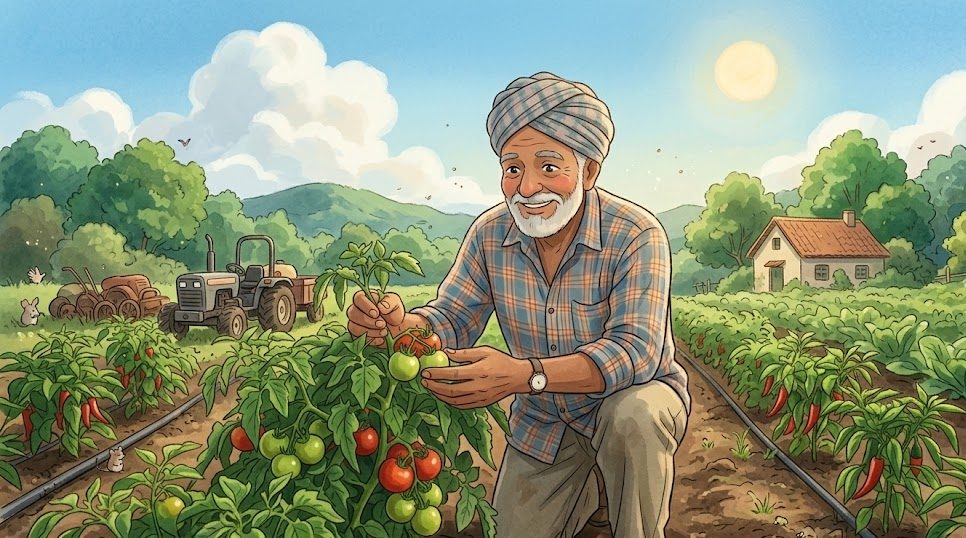
Introduction
Agriculture remains one of the most important sectors supporting global food security and rural economies. However, modern farmers face multiple challenges such as climate change, rising production costs, water shortages, and market competition. To succeed in today’s agricultural environment, farmers must adopt smart strategies that increase productivity while maintaining sustainability.
An agriculture growth guide provides practical methods, modern technologies, and efficient management practices that help farmers improve crop yield, reduce risks, and increase profitability. With proper planning and innovation, agriculture can become both productive and economically rewarding.
Understanding Agricultural Growth
Agricultural growth refers to the increase in farm productivity, crop output, and farmer income through improved techniques and efficient resource management. Growth does not only mean producing more crops; it also involves improving soil health, reducing costs, and using sustainable practices.
Key components of agricultural growth include:
- Better crop management
- Efficient use of resources
- Technology adoption
- Market awareness
- Sustainable farming practices
Importance of Agricultural Growth
Agriculture plays a vital role in economic development and food supply. Improving agricultural productivity benefits both farmers and consumers.
Major Benefits:
- Increased farmer income
- Improved food availability
- Better rural employment opportunities
- Reduced dependence on imports
- Sustainable environmental management
When agriculture grows efficiently, entire communities benefit from economic stability.
Step-by-Step Agriculture Growth Strategies
1. Soil Health Management
Healthy soil is the foundation of successful farming. Poor soil quality directly reduces crop yield.
Farmers should focus on:
- Regular soil testing
- Organic manure application
- Crop rotation practices
- Balanced fertilizer use
Healthy soil improves nutrient absorption and water retention, leading to stronger crop growth.
2. Choosing High-Quality Seeds
Seed quality significantly impacts productivity. Certified and disease-resistant seeds help ensure better germination and stronger plants.
Benefits include:
- Higher yield potential
- Improved resistance to pests
- Better adaptation to climate conditions
Selecting the right seed variety according to local climate is essential for consistent growth.
3. Efficient Irrigation Management
Water management is a key factor in agricultural success. Overwatering wastes resources, while under-watering damages crops.
Recommended practices:
- Drip irrigation systems
- Scheduled watering
- Soil moisture monitoring
- Rainwater harvesting
Efficient irrigation reduces costs and supports healthy crop development.
4. Modern Farming Technology
Technology is transforming agriculture worldwide.
Examples include:
- GPS-based farming tools
- Automated irrigation systems
- Farm management mobile apps
- Weather forecasting tools
These technologies help farmers make data-driven decisions and reduce uncertainty.
5. Integrated Pest Management (IPM)
Pests and diseases can cause significant crop losses if not managed properly.
Integrated pest management combines:
- Biological control methods
- Natural pesticides
- Crop monitoring
- Limited chemical usage
This approach protects crops while maintaining environmental balance.
Financial Planning for Agricultural Growth
Farm success depends not only on production but also on financial management.
Farmers should:
- Track input costs carefully
- Diversify crops to reduce risk
- Invest in efficient equipment
- Explore government support programs
Proper budgeting helps farmers maintain long-term stability.
Role of Crop Diversification
Growing multiple crops reduces dependency on a single harvest and protects farmers from market fluctuations.
Advantages:
- Stable income sources
- Improved soil fertility
- Reduced pest outbreaks
- Better risk management
Diversification strengthens overall farm resilience.
Market Access and Value Addition
Producing crops is only part of agricultural success. Selling products strategically increases profits.
Farmers can:
- Sell directly to consumers
- Use digital marketplaces
- Process crops into value-added products
- Store produce to sell during better price periods
Market awareness plays a crucial role in agricultural growth.
Sustainable Farming for Long-Term Growth
Sustainability ensures that farming remains productive for future generations.
Key sustainable practices:
- Organic farming methods
- Water conservation
- Reduced chemical usage
- Agroforestry systems
Sustainable agriculture protects both income and natural resources.
Challenges in Agricultural Growth
Farmers may face obstacles such as:
- Climate variability
- Rising input costs
- Limited technical knowledge
- Market price fluctuations
Training programs and agricultural education help overcome these challenges.
Conclusion
Agricultural growth requires a combination of modern technology, proper planning, and sustainable practices. By improving soil health, adopting efficient irrigation systems, using quality seeds, and understanding market trends, farmers can significantly increase productivity and profits.
With continuous innovation and smart decision-making, agriculture can remain a strong and sustainable source of income for future generations.