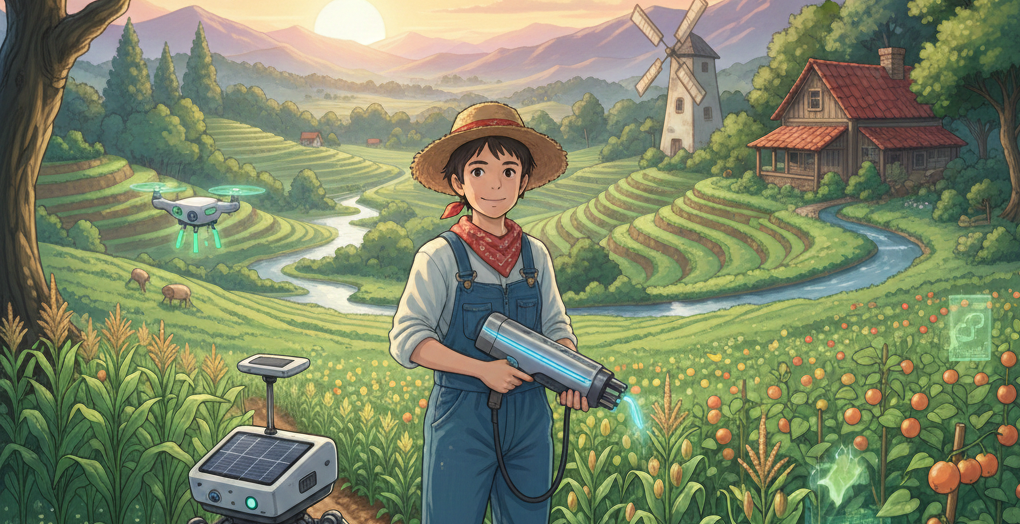
Did you know that by 2050, the global population is expected to reach nearly 10 billion people? To feed everyone, global food production must increase by a staggering 70%. Yet, our available arable land is shrinking due to urbanization and soil degradation. This creates a massive “Pain Point” for farmers: How do we produce more food, with better quality, using fewer resources?
The traditional methods that sustained us for centuries are no longer enough to meet modern demands. The “Challenge” is real—rising costs, unpredictable weather patterns, and depleted soil health. However, the solution lies in Modern Farming Techniques. This article serves as your comprehensive roadmap to understanding regenerative practices, smart technology, and precision agriculture. You will learn how to transition from high-input farming to a high-efficiency system that restores the earth while boosting your profits.
Understanding Modern Farming: Key Concepts and Importance
Modern farming is not just about big tractors and chemicals; it is the strategic integration of technology, biology, and ecology. Think of your farm like a high-performance engine. In the old days, we just poured in more fuel (fertilizers) to make it go faster. Modern farming, however, is like installing a Smart Sensor System that adjusts the fuel injection and timing perfectly to ensure the engine lasts longer and runs cleaner.
At its core, modern agriculture focuses on Precision. Instead of treating an entire 100-acre field as one unit, farmers now use GPS and data to treat every square inch based on its specific needs. This shift is crucial because it addresses the modern relevance of sustainability. By understanding the science of the soil and the data of the atmosphere, we move away from “guessing” and toward “knowing.” This evolution is what allows a small-scale farmer to compete with industrial giants by maximizing the output of every single seed planted.
Why It Matters: The Top Benefits of Modern Farming
Adopting these techniques isn’t just a trend; it’s a fundamental shift that offers massive real-world impact. Here are the primary advantages:
- Drastic Increase in Yield: By using high-yield, disease-resistant seeds and precision irrigation, farmers can produce significantly more crops per hectare.
- Resource Efficiency: Modern methods like Drip Irrigation and Variable Rate Application (VRA) reduce water and fertilizer waste by up to 40%, saving money and protecting local water sources.
- Soil Regeneration: Techniques such as No-Till farming and Cover Cropping stop erosion and turn the soil into a carbon-capturing sponge, improving long-term fertility.
- Climate Resilience: Smart greenhouses and climate-monitoring tools allow farmers to protect their investments from extreme heatwaves or unexpected frosts.
Pro Fact: According to recent agricultural data, precision farming can reduce overall input costs by 15-20% while simultaneously increasing crop quality.
How to Get Started: A Practical Guide for Beginners
Transitioning to modern farming doesn’t require a million-dollar investment overnight. You can start small and scale up. Follow this 5-step plan:
- Conduct a Comprehensive Soil Test: You cannot manage what you don’t measure. Get a professional lab analysis of your soil’s pH, nitrogen, phosphorus, and potassium levels.
- Implement Integrated Pest Management (IPM): Instead of routine spraying, use Biological Controls (like ladybugs) and only use targeted organic pesticides when a specific threshold is met.
- Upgrade to Smart Irrigation: Switch from flood irrigation to solar-powered drip systems. This delivers water directly to the roots, where it is needed most.
- Adopt No-Till Practices: Avoid heavy plowing. Leaving the soil undisturbed keeps the microbial “underground city” alive, which naturally feeds your plants.
- Use Digital Record Keeping: Start using farm management apps to track planting dates, weather patterns, and harvest weights to identify your most profitable crops.
Beginner’s Tip: Don’t try to automate everything at once. Start by perfecting your Soil Health; it is the foundation that makes all other technologies more effective.
Overcoming Challenges and Looking into the Future
The road to modernization isn’t without hurdles. The Initial Cost of technology and the Learning Curve are the two biggest obstacles for most. To solve this, many farmers are joining cooperatives to share the cost of expensive equipment like drones or high-tech harvesters. Another challenge is Data Privacy, which can be managed by using reputable, encrypted farm management software.
Looking ahead, the future of farming is incredibly exciting. We are seeing the rise of AI-driven Robotics that can “see” and pull individual weeds without touching the crops. Vertical Farming and Hydroponics are also moving agriculture into urban centers, reducing the “food miles” and bringing fresh produce directly to city dwellers.
Conclusion
Modern farming is more than a set of tools; it is a commitment to growing smarter, not harder. By focusing on soil health, precision technology, and resource efficiency, you can ensure that your land remains productive for generations to come. The core message is simple: The future of food depends on our ability to harmonize human ingenuity with the laws of nature.
Call to Action: Start today by booking a soil test for your land. Knowledge of your foundation is the first step toward a more profitable and sustainable harvest. Embrace the change—your farm and the planet will thank you.
Frequently Asked Questions (FAQs)
1. Is modern farming too expensive for small-scale farmers? No. While some tech is pricey, many modern techniques like cover cropping, composting, and basic soil testing are very low-cost and offer a high return on investment.
2. Does modern farming mean using more chemicals? Actually, it’s the opposite. Modern “Precision Agriculture” aims to reduce chemical use by applying exactly what is needed only where it is needed, often favoring organic and biological alternatives.
3. What is the most important tool for a modern farmer? While drones are flashy, the most important “tool” is Data. Whether it’s a simple spreadsheet or a complex app, tracking your farm’s performance is the key to improvement.
4. Can modern techniques help during a drought? Yes. Modern irrigation systems and soil-moisture sensors can help crops survive with significantly less water by reducing evaporation and runoff.