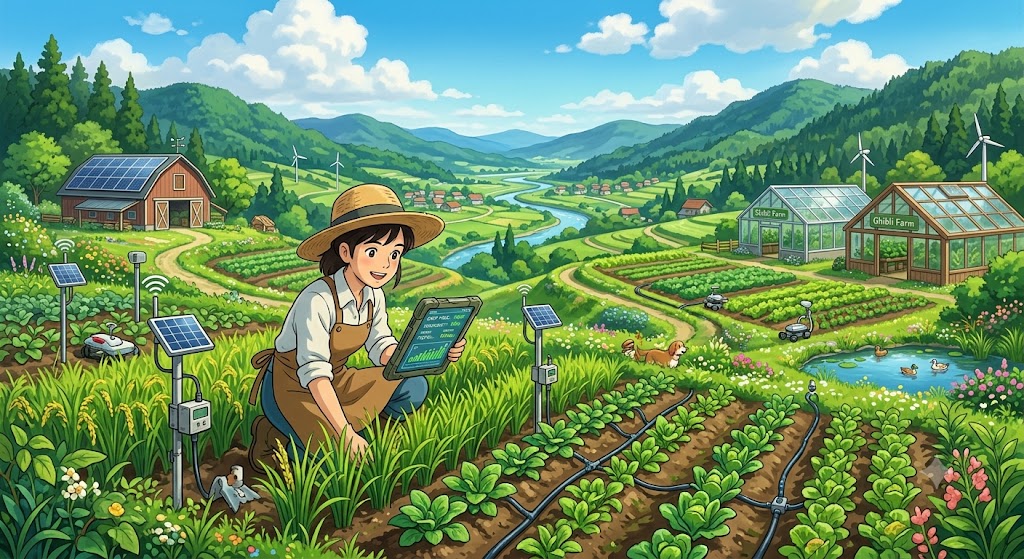
Agriculture continues to evolve as farmers seek better ways to increase productivity while managing costs and protecting natural resources. With growing food demand and changing environmental conditions, achieving higher crop yields requires more than traditional farming methods. Today’s successful farmers combine experience with smart farming practices that improve efficiency, optimize resource use, and support long-term sustainability.
Smart crop farming focuses on making informed decisions based on soil conditions, crop requirements, weather patterns, and modern agricultural techniques. By adopting the right practices, farmers can improve plant health, reduce losses, and maximize production without unnecessarily increasing expenses.
Whether managing a small farm or a large agricultural operation, implementing smart farming strategies can significantly improve crop performance and profitability. This guide explores some of the best smart crop farming practices that can help farmers achieve higher yields while maintaining healthy and productive fields.
Understanding Smart Crop Farming
Smart crop farming involves using efficient management techniques, modern technology, and data-driven decision-making to improve agricultural productivity.
The main goals include:
- Increasing crop yields
- Improving resource efficiency
- Reducing production costs
- Enhancing soil health
- Minimizing environmental impact
- Supporting long-term farm sustainability
Successful crop production begins with careful planning and continues through every stage of the growing season.
Choose the Right Crop Variety
One of the most important decisions farmers make is selecting suitable crop varieties.
High-quality seeds often provide:
- Better germination rates
- Improved disease resistance
- Higher yield potential
- Greater adaptability to local conditions
Factors to Consider
Before planting, evaluate:
- Climate conditions
- Soil type
- Market demand
- Water availability
- Pest and disease risks
Choosing the right variety creates a strong foundation for successful crop production.
Improve Soil Health
Healthy soil is essential for achieving higher yields.
Productive soil provides crops with:
- Nutrients
- Water
- Oxygen
- Beneficial microorganisms
Ways to Improve Soil Health
- Add compost regularly
- Use cover crops
- Apply organic matter
- Reduce soil erosion
- Practice crop rotation
Healthy soils support stronger root systems and better crop growth throughout the season.
Conduct Regular Soil Testing
Soil testing helps farmers understand nutrient levels and identify potential deficiencies.
Testing can provide information about:
- Nitrogen levels
- Phosphorus levels
- Potassium levels
- Soil pH
- Organic matter content
Benefits of Soil Testing
- More accurate fertilizer application
- Improved nutrient management
- Reduced input costs
- Better crop performance
Making decisions based on actual soil data often leads to higher productivity.
Use Efficient Irrigation Methods
Water management plays a major role in crop success.
Both excessive watering and insufficient irrigation can reduce yields.
Smart Irrigation Practices
- Install drip irrigation systems
- Monitor soil moisture regularly
- Water during cooler parts of the day
- Reduce unnecessary water loss
Efficient irrigation helps ensure crops receive adequate moisture while conserving valuable water resources.
Practice Crop Rotation
Growing the same crop repeatedly can deplete soil nutrients and increase pest problems.
Crop rotation helps maintain soil fertility and disrupt pest cycles.
Benefits of Crop Rotation
- Improved nutrient balance
- Reduced disease pressure
- Better weed control
- Enhanced soil structure
A well-planned rotation program contributes to healthier and more productive fields.
Utilize Cover Crops
Cover crops are planted primarily to improve soil rather than for harvest.
Popular options include:
- Clover
- Rye
- Vetch
- Mustard
- Alfalfa
Advantages of Cover Crops
- Reduce soil erosion
- Increase organic matter
- Improve soil fertility
- Suppress weeds
- Enhance moisture retention
Cover crops help maintain soil productivity between growing seasons.
Adopt Precision Farming Techniques
Precision farming allows farmers to manage fields more accurately using technology and data.
Tools commonly used include:
- GPS guidance systems
- Soil sensors
- Yield monitors
- Drones
- Satellite imagery
Benefits of Precision Agriculture
- Improved resource efficiency
- Reduced waste
- Better crop monitoring
- Higher yields
Precision farming helps farmers apply inputs exactly where they are needed.
Monitor Crops Regularly
Frequent crop monitoring allows farmers to identify problems early.
Regular inspections can reveal:
- Nutrient deficiencies
- Pest infestations
- Disease symptoms
- Water stress
- Weed competition
Why Early Detection Matters
Addressing issues quickly often prevents significant yield losses and reduces treatment costs.
Consistent monitoring is a key component of successful crop management.
Implement Integrated Pest Management
Pests can significantly impact crop productivity if left unchecked.
Integrated Pest Management (IPM) combines multiple control methods to manage pests effectively.
These methods may include:
- Biological controls
- Crop rotation
- Beneficial insects
- Field sanitation
- Targeted treatments
Benefits of IPM
- Reduced pesticide dependence
- Better environmental protection
- Lower production costs
- Improved crop health
A balanced pest management strategy supports sustainable farming.
Control Weeds Effectively
Weeds compete with crops for essential resources.
Effective weed control methods include:
- Mulching
- Mechanical cultivation
- Cover cropping
- Hand weeding
- Proper crop spacing
Reducing weed pressure helps crops access more nutrients, water, and sunlight.
Optimize Fertilizer Management
Proper nutrient management is essential for maximizing yields.
Both under-fertilization and excessive fertilizer use can create problems.
Smart Fertilizer Practices
- Apply nutrients based on soil tests
- Use organic amendments when possible
- Split fertilizer applications during the season
- Monitor crop response regularly
Balanced nutrition supports healthy growth and improved productivity.
Use Modern Weather Monitoring Tools
Weather conditions significantly influence crop performance.
Modern weather tools provide valuable information about:
- Rainfall forecasts
- Temperature changes
- Wind conditions
- Humidity levels
Benefits of Weather Monitoring
- Better irrigation planning
- Improved pest management
- More effective field operations
- Reduced crop losses
Accurate weather information allows farmers to make better management decisions.
Reduce Post-Harvest Losses
Higher yields only benefit farmers if crops reach the market in good condition.
Post-harvest losses can occur due to:
- Poor handling
- Inadequate storage
- Transportation damage
- Pest infestations
Best Practices
- Harvest at the proper maturity stage
- Use clean storage facilities
- Protect produce during transport
- Monitor storage conditions
Reducing losses improves overall profitability.
Embrace Farm Technology
Modern agricultural technologies continue to transform crop production.
Examples include:
- Mobile farming applications
- Smart irrigation systems
- Automated equipment
- Crop monitoring platforms
- Artificial intelligence tools
These innovations help farmers manage operations more efficiently and improve productivity.
Long-Term Benefits of Smart Farming Practices
Farmers who adopt smart crop management techniques often experience:
- Higher yields
- Better crop quality
- Improved soil health
- Reduced production costs
- Greater environmental sustainability
- Increased profitability
Consistent improvements across multiple growing seasons can have a significant impact on overall farm success.
Frequently Asked Questions
1. What is smart crop farming?
Smart crop farming involves using modern techniques, technology, and data-driven decisions to improve agricultural productivity and efficiency.
2. How can soil testing improve yields?
Soil testing identifies nutrient deficiencies and helps farmers apply fertilizers more accurately, improving crop growth and productivity.
3. Why is crop rotation important?
Crop rotation improves soil fertility, reduces pest problems, and helps maintain healthy growing conditions.
4. What is precision agriculture?
Precision agriculture uses technologies such as GPS, sensors, drones, and data analysis to manage fields more efficiently.
5. Can smart farming practices benefit small farms?
Yes. Many smart farming techniques, including soil testing, crop monitoring, efficient irrigation, and cover cropping, can improve productivity on farms of all sizes.
Conclusion
Achieving higher crop yields requires more than simply increasing inputs. Smart crop farming focuses on making better decisions, improving resource management, and adopting practices that support long-term productivity. Techniques such as soil testing, crop rotation, precision agriculture, efficient irrigation, integrated pest management, and continuous crop monitoring help farmers maximize yields while maintaining healthy and sustainable farming systems.
As agriculture continues to evolve, farmers who embrace smart practices will be better positioned to overcome challenges, improve profitability, and meet growing food demands. By combining traditional knowledge with modern innovations, growers can build stronger, more productive farms for the future.
Explore more helpful articles on our website for additional farming guides, crop management strategies, and sustainable agriculture tips.