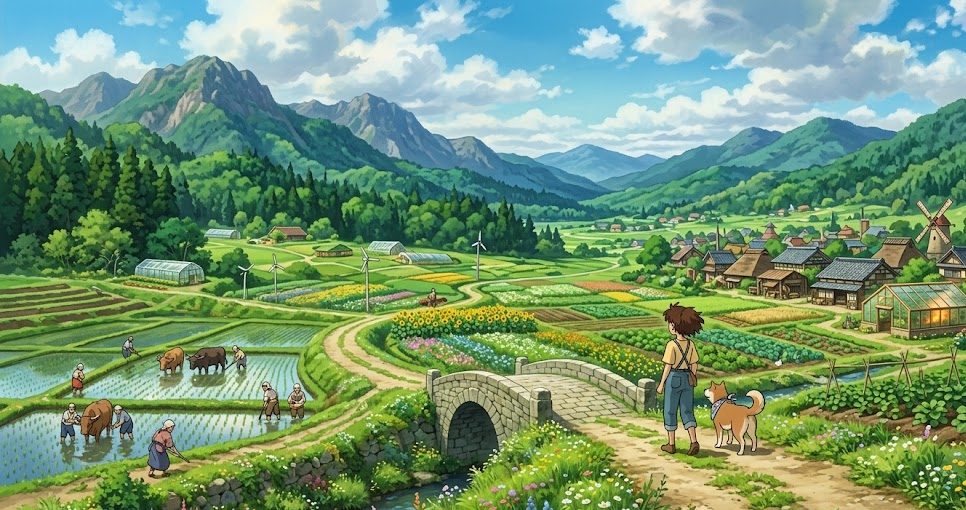
As we move through 2026, the traditional boundaries of agriculture are expanding. For the modern grower, staying “beyond the field” means looking past conventional commodity crops and exploring the untapped potential of niche markets and high-tech integration. This expert guide dives into the emerging trends and innovative practices that are defining the next decade of farming, offering a blueprint for “Financial Freedom” through diversification and “Smart Farming”.
1. The Rise of Niche Agriculture: Exotic and High-Value Crops
Niche agriculture is no longer just a side project; it has become a primary strategy for maximizing profit per square foot. By focusing on “High-Value Cash Crops,” farmers can bypass the price volatility of mass-market staples.
- Exotic Vegetable Niche: Demand is surging for “Exotic Vegetables” like Romanesco broccoli, purple cauliflower, and heirloom cherry tomatoes in urban organic markets.
- Medicinal and Aromatic Plants: Cultivating crops like lavender, ginseng, and specialized mint varieties caters to the high-paying wellness and cosmetic industries.
- Microgreens for Quick Turnover: In “Micro Farming” setups, microgreens offer one of the fastest returns on investment, often ready for market in just 7–14 days.
2. Emerging Trends: Smart Tech Meets Natural Wisdom
The most significant trend in 2026 is the marriage of “Smart Technology” with “Natural Farming” principles. This combination creates a “low-maintenance” but high-output system.
- AI-Driven Decision Making: Artificial Intelligence now acts as the brain of the farm, analyzing weather patterns and soil data to provide a precise blueprint for every season.
- Precision Irrigation: “Smart Farming” innovations like IoT soil sensors and automated drip systems serve as vital “water-saving techniques,” ensuring that not a single drop is wasted.
- Biological Bio-Inputs: To achieve “Zero Chemical Costs,” expert farmers are replacing synthetic fertilizers with fermented organic matter that “recharges” the soil’s microbial life naturally.
3. Healing the Soil: A Mechanical Necessity
Expert insights suggest that “healing the soil naturally” is the most effective way to ensure long-term “Climate-Resilient Farming”.
- The No-Till Advantage: Avoiding heavy plowing preserves the delicate fungal networks (mycorrhizae) that act as a natural nutrient delivery system for plants.
- Carbon Sequestration: Healthy, undisturbed soil locks carbon in the ground, improving soil structure and making the farm more resilient to extreme weather events.
- Mulching as a Shield: Using organic residues as a protective blanket suppresses weeds and retains moisture, a cornerstone of “Practical Farming”.
4. Integrated and Closed-Loop Systems
The future of farming lies in “Integrated Farming Systems” where different agricultural branches support one another.
- Livestock Integration: Combining dairy, poultry, or goat farming with crop production creates a “Closed-Loop” system. Animals provide the raw materials for bio-inputs, while crop residues serve as feed.
- Natural Pest Management (NPM): By fostering biodiversity and inviting natural predators, farmers can manage pests without toxic chemicals, reducing costs and improving crop quality.
5. Survival Farming and Self-Sufficiency
In an unpredictable global economy, “Survival Farming” skills have become an emerging trend for those seeking total food security and independence.
- Off-Grid Innovation: Modern innovation hubs are developing tools for energy-independent irrigation and localized food processing.
- Vertical and Urban Farming: These techniques allow for “Micro Farming” success even in urban footprints, bringing production closer to the consumer.
Conclusion: Securing Your Digital Goldmine
The expert consensus for 2026 is clear: the most profitable farms will be those that embrace niche markets and “Smart Technology” while remaining rooted in “Natural Farming” principles. By exploring these emerging trends, you move beyond the field and into a realm of high-yield, low-effort success.
Whether you are scaling a commercial “Farming Innovation Hub” or practicing intensive “Micro Farming,” the path to “Financial Freedom” is built on innovation, sustainability, and expert insight.