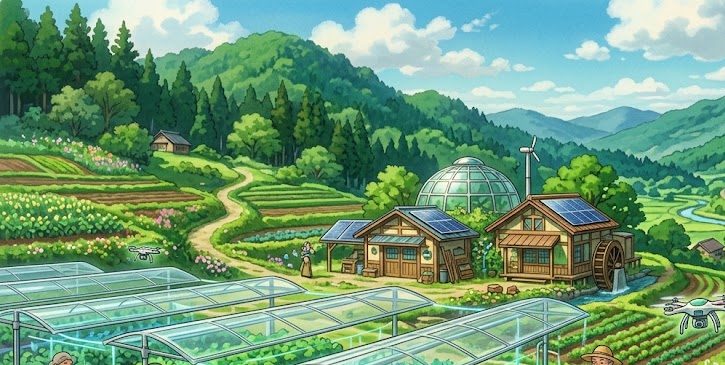
The agricultural world is standing at a crossroads. As global populations rise and climate conditions become more unpredictable, traditional farming methods are proving insufficient to meet the demands of the future. We are witnessing a monumental shift toward a more intelligent, data-driven era—the Future of Cultivation.
At the center of this revolution are two powerful concepts: the Farming Innovation Hub and Advanced Smart Crop Techniques. Together, they represent a blueprint for a sustainable, high-yield, and technologically advanced agricultural ecosystem.
The Rise of the Farming Innovation Hub
A Farming Innovation Hub is more than just a physical location; it is a centralized digital ecosystem where hardware, software, and biological science converge. Think of it as the “operating system” of a modern farm.
1. Centralized Data Command
In the past, farming decisions were based on intuition or historical calendars. Today, an innovation hub collects real-time data from every corner of the field. Sensors measuring soil moisture, pH levels, and ambient temperature feed information into a central dashboard. This allows farmers to make “surgical” decisions—applying resources exactly where they are needed and nowhere else.
2. Integration of IoT and Automation
The hub acts as a bridge between various smart devices. Whether it is an automated irrigation system, a robotic weeder, or a drone-based monitoring unit, the Farming Innovation Hub ensures they all speak the same language. This seamless integration reduces labor costs and eliminates the human error associated with manual monitoring.
Advanced Smart Crop Techniques: Engineering Success
While the Innovation Hub provides the infrastructure, Smart Crop Techniques focus on the plants themselves. These techniques ensure that crops are resilient, nutrient-dense, and optimized for maximum yield.
1. Climate-Intelligent Cultivation
Climate change is the biggest threat to modern agriculture. Smart crop techniques involve using AI to predict weather shifts and selecting crop varieties that are naturally resistant to heat, drought, or excessive rain. By aligning crop cycles with “Climate Intelligence,” farmers can avoid the devastating losses caused by erratic seasonal changes.
2. Precision Nutrient Management
Gone are the days of blanket fertilization. Advanced techniques use “Variable Rate Technology” (VRT) to deliver specific micro-nutrients to individual plants. This not only saves money on expensive fertilizers but also prevents chemical runoff, protecting the surrounding environment and “healing the soil naturally” over time.
The Role of AI and Machine Learning
Artificial Intelligence is the engine that drives the Future of Cultivation. Without AI, the data collected by an innovation hub would be overwhelming and useless.
- Predictive Modeling: AI algorithms can analyze years of harvest data to predict future yields with incredible accuracy.
- Pest and Disease Detection: Computer vision systems can identify the earliest signs of a fungal infection or pest infestation by analyzing leaf patterns, allowing for targeted treatment before the problem spreads.
- Autonomous Machinery: From self-driving tractors to robotic harvesters, AI is taking over the most labor-intensive parts of farming, making the process more efficient and scalable.
Bridging Technology and Sustainability
One of the most significant advantages of the Farming Innovation Hub is its ability to promote sustainable, “Nature-Focused” agriculture. Technology isn’t just about high-tech gadgets; it’s about using resources more wisely.
1. Water Conservation through Smart Irrigation
By using soil moisture sensors and satellite data, smart irrigation systems only activate when the plant actually needs water. In some cases, this can reduce water usage by up to 50% while actually improving crop health.
2. Restoring Soil Vitality
Innovation hubs allow for the detailed mapping of soil health. By identifying exactly which areas are depleted, farmers can use organic amendments and cover cropping strategies to restore vitality to the earth. This “Healing the Soil” approach ensures that the land remains productive for generations to come.
The Economic Impact: Turning Innovation into Income
For the modern “Agri-entrepreneur,” these innovations are a gateway to higher profits.
- High-Value Cash Crops: Smart techniques are particularly effective for high-value crops like exotic vegetables, medicinal plants, and organic fruits, where quality directly dictates market price.
- Supply Chain Transparency: Digital hubs can track a crop from the moment the seed is planted to the moment it is packaged. This transparency allows farmers to tap into premium “Farm-to-Fork” markets that demand high standards of traceability.
- Labor Efficiency: By automating routine tasks, farmers can focus on scaling their operations and exploring new market opportunities rather than getting bogged down in daily manual labor.
Overcoming Challenges in the Digital Frontier
While the future is bright, the transition to high-tech farming comes with challenges. High initial costs and the need for technical expertise can be barriers for many.
However, the “Micro-Farming” model is proving that you don’t need a massive budget to start. Small-scale farmers can begin by implementing basic IoT sensors or using “Smart Crop” software to manage their existing fields more effectively. As the ROI (Return on Investment) becomes clear, scaling up becomes a logical next step.
Conclusion: Embracing the New Era of Growth
The Future of Cultivation is an era where technology serves as a partner to nature. By exploring the possibilities within the Farming Innovation Hub and mastering Advanced Smart Crop Techniques, we are doing more than just growing food—we are building a resilient, sustainable, and highly profitable future.
Whether you are a mobile developer building the next “earning app” for farmers or a cultivator looking to optimize your fields, the message is clear: the digital revolution has reached the soil, and those who embrace it will lead the way in the global agricultural landscape.
SEO Meta Details:
- Focus Keyword: Farming Innovation Hub
- Secondary Keywords: Smart Crop Techniques, Future of Cultivation, Precision Agriculture, Sustainable Farming, AI in Agriculture.
- Meta Description: Explore the future of cultivation with our guide to Farming Innovation Hubs and advanced smart crop techniques. Learn how AI and IoT are revolutionizing modern agriculture.