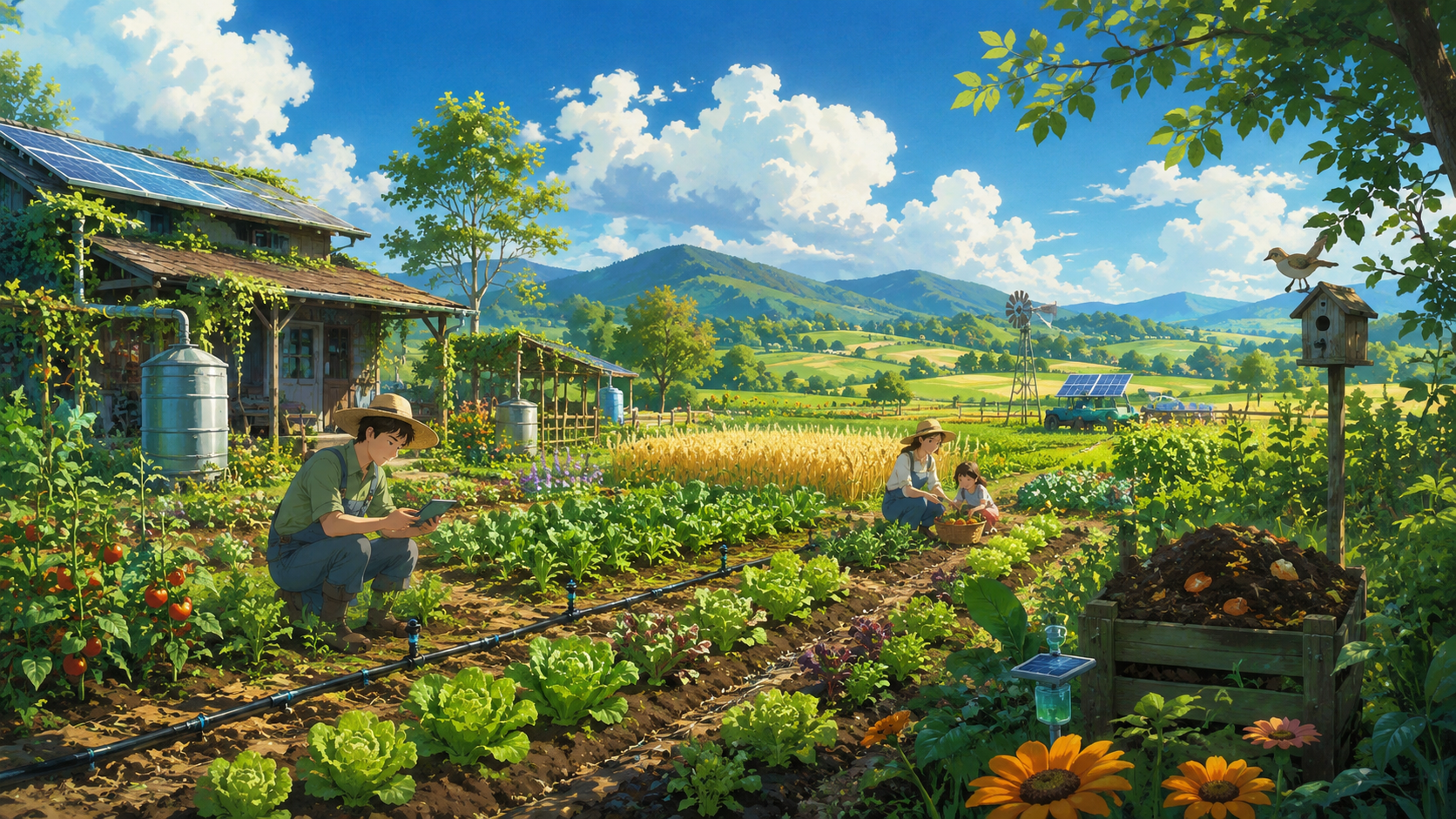
Farming has never been an easy profession, but the challenges growers face today are entirely different from those a generation ago. Unpredictable weather, shrinking water supplies, and the rising costs of seeds and fertilizers are squeezing profit margins. The old method of simply planting seeds, applying uniform amounts of water and fertilizer, and hoping for the best is no longer enough to keep a farm profitable.
This is where smart crop farming comes into the picture. Smart farming is not just about buying expensive drones or complex software. At its core, it is about making precise, data-driven decisions that give your crops exactly what they need, exactly when they need it. By working smarter, not just harder, you can increase your yields, reduce your daily expenses, and protect your land for future generations.
Here is a practical guide to implementing smart farming techniques that actually work in the field.
The Core Concept of Smart Farming
Traditional agriculture often relies on treating an entire field as one single unit. If one corner looks dry, the whole field gets watered. If a few plants show nutrient deficiency, the whole field gets fertilized.
Smart farming changes this mindset. It focuses on precision. By understanding that soil quality, moisture levels, and pest pressure can vary drastically within a single acre, you can target your resources. This reduces waste and prevents the environmental damage caused by agricultural runoff. The goal is sustainable growth: maximizing today’s harvest without destroying tomorrow’s soil.
Practical Tips for Better Yields
You do not need a massive budget to start farming smarter. Many of the most effective strategies come down to changing your daily management habits.
Transition to Precision Irrigation
Water is becoming one of the most expensive and scarce resources in agriculture. Traditional overhead sprinklers lose a massive amount of water to wind and evaporation. Switching to drip irrigation or micro-sprinklers delivers water directly to the root zone of the plant. This not only cuts your water bill significantly but also keeps the plant leaves dry, which naturally reduces the spread of fungal diseases.
Test Soil Constantly
Guessing your soil’s nutrient levels is a fast way to waste money. A field might have plenty of phosphorus but severely lack nitrogen. If you apply a standard mixed fertilizer, you are paying for nutrients the plants do not even need. Conduct regular soil tests throughout the season. Based on those specific results, apply targeted soil amendments. Feeding the soil exactly what it is missing leads to explosive, healthy plant growth.
Utilize Integrated Pest Management (IPM)
Blanket-spraying fields with chemical pesticides is an outdated practice that breeds resistant “superbugs.” Integrated Pest Management is a smarter approach. It involves monitoring your fields daily to catch pest problems early. Instead of immediately using chemicals, you introduce natural predators like ladybugs, use pheromone traps to disrupt mating, or plant specific border crops that pull pests away from your main harvest.
Embrace Cover Cropping
Leaving a field bare after harvest is a missed opportunity. Smart farmers immediately plant cover crops like clover, rye, or radishes. These plants act as a living armor for your topsoil, preventing wind and rain erosion. Even better, as these cover crops grow, they pull nitrogen from the air and push it into the soil. When you till them under before the next planting season, you have naturally generated free fertilizer for your main cash crop.
Real-Life Example: The Sensor-Driven Orchard
Consider a regional apple grower who was struggling with inconsistent fruit sizes and massive water bills during the hot summer months. Instead of guessing when to water, he invested in a network of simple soil moisture sensors (tensiometers) placed at varying depths throughout his orchard.
The data revealed something surprising. While the top two inches of soil looked bone-dry, the deep root zones were actually waterlogged. He was suffocating his trees with too much water. By adjusting his irrigation schedule to match the sensor readings, he cut his water usage by 30%. Because the tree roots could finally breathe, they absorbed nutrients better. That autumn, his harvest yielded consistently larger, firmer apples that sold for a premium price.
Step-by-Step Guide: Setting Up Basic Precision Watering
If you want to take your first step into smart farming, upgrading how you monitor moisture is the best starting point.
Step 1: Identify Your Zones. Walk your fields and identify high spots, low spots, and areas with different soil textures (sand versus clay). Water behaves differently in each of these zones. Step 2: Install Moisture Sensors. Purchase basic, agricultural-grade soil moisture sensors. Place at least one sensor in each distinct zone. Ensure you bury the sensor at the depth of your crop’s main root system, not just at the surface. Step 3: Record Baseline Data. For the first two weeks, do not change your watering habits. Just record what the sensors read before and after you irrigate to understand how fast your soil drains. Step 4: Adjust the Schedule. Begin delaying your watering until the sensors indicate the soil is approaching the dry threshold for your specific crop. Step 5: Automate. Once you find the sweet spot, connect your irrigation valves to a simple automated timer that triggers watering only when the sensors drop below your target moisture level.
Common Mistakes to Avoid
As you adopt new farming strategies, be careful to avoid these frequent pitfalls:
- Buying Technology Without a Strategy: Purchasing a farm-mapping drone is useless if you do not know how to analyze the images it captures. Always identify a specific problem first, and then find the tool to fix it.
- Ignoring the Basics: No amount of smart technology will save a crop if your basic soil structure is compacted and dead. Always prioritize building healthy, organic-rich soil before investing in high-tech gadgets.
- Overcomplicating the System: Start small. Trying to implement automated irrigation, drone scouting, and variable-rate fertilizing all in one season will overwhelm you and your farmhands. Master one smart practice before moving to the next.
Moving Toward a Smarter Future
Smart crop farming is not about replacing the farmer’s intuition; it is about enhancing it. By combining years of practical field experience with targeted data, you take the guesswork out of agriculture. When you know exactly what your soil holds and exactly how much water your plants need, you stop wasting expensive inputs. The transition takes a little patience and a willingness to learn, but the result is a farming operation that produces heavier yields, generates better profits, and respects the natural environment it relies on.
Frequently Asked Questions (FAQs)
1. Is smart farming only for massive commercial operations? Not at all. While large farms might use satellite imagery, small-scale farmers can easily use smart techniques like drip irrigation, handheld moisture probes, and targeted soil testing. Efficiency scales down perfectly to small plots.
2. What is the most important smart farming tool for a beginner? A professional soil test is the ultimate starting point. It provides a precise roadmap of what your ground actually needs, preventing you from wasting money on unnecessary fertilizers.
3. Does focusing on sustainable growth mean I will make less profit? Usually, the opposite is true. Sustainable smart farming focuses heavily on reducing input costs. By using less water, less fuel, and fewer chemicals, your profit margins per acre naturally increase, even if your total volume stays the same.
4. Can I use smart farming techniques if I am an organic farmer? Yes, they complement each other perfectly. Organic farming relies heavily on natural balance and prevention. Smart tools like weather tracking for disease prediction and soil moisture monitoring are incredibly useful for managing an organic crop without chemicals.
5. How quickly will I see a return on investment from smart farming tools? It depends on the tool. Upgrading to a more efficient irrigation schedule can save you money on water and pumping fuel in the very first month. Soil-building practices, like cover cropping, typically show their real financial value after two or three seasons.