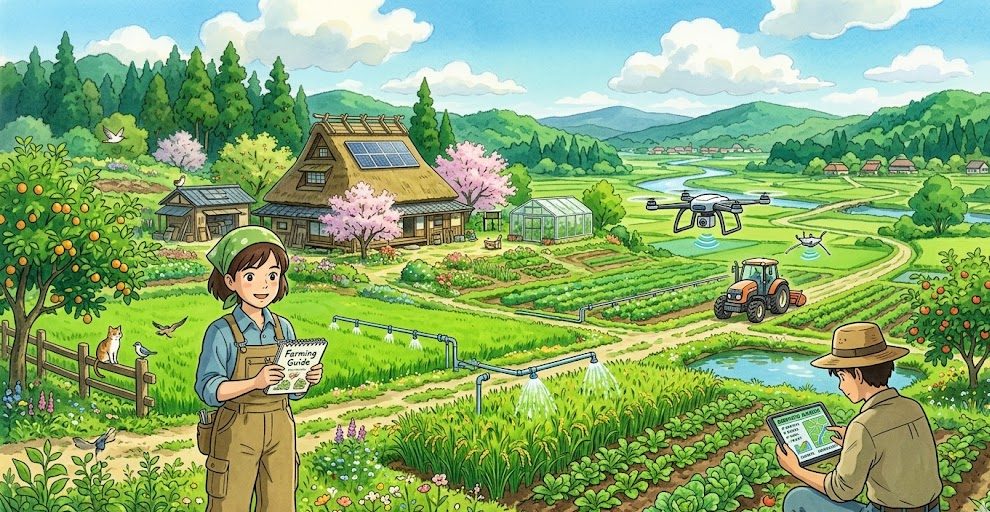
The landscape of global agriculture is undergoing a seismic shift. For generations, farming was defined primarily by physical labor and tradition. Today, the sector is being redefined by precision, data, and a relentless pursuit of efficiency. Achieving Agricultural Excellence is no longer just about working harder; it is about working smarter, integrating modern growth strategies with the latest in AgriTech and innovation.
In this comprehensive guide, we explore the pillars of modern farming excellence and how you can apply these principles to maximize your yields and profitability.
1. Growth Guides: The Foundation of Success
Excellence starts with a deep understanding of your crops. A “Growth Guide” approach treats every plant as a unique asset with specific biological requirements.
Soil Architecture
Your soil is the single most important piece of infrastructure on your farm. Achieving excellence means moving beyond basic NPK (Nitrogen, Phosphorus, Potassium) testing.
- Microbial Management: Focus on the “Soil Food Web.” By utilizing compost teas and organic amendments, you create an environment where beneficial fungi and bacteria break down nutrients, making them more bioavailable to plants.
- Structure over Substance: Tillage can destroy soil aggregates. Adopting “No-Till” or “Strip-Till” practices preserves the natural structure, which improves water infiltration and root depth, allowing plants to thrive even during heatwaves.
Crop-Specific Optimization
Every plant has a “critical growth window.” Excellence is achieved by aligning your interventions—fertilizing, pruning, and harvesting—precisely with these windows. Utilizing growth logs or digital calendars helps you identify the specific days when your crops need the most attention, ensuring that labor and resources are never wasted.
2. Smart Tech: The Digital Farmer’s Toolkit
Technology is the great equalizer in modern agriculture. It allows small-scale farmers to achieve efficiencies that were once only possible for large industrial operations.
The Power of IoT (Internet of Things)
Smart sensors are the “eyes and ears” of your farm.
- Moisture Monitoring: Instead of a fixed watering schedule, use soil moisture probes. These devices send real-time data to your smartphone, telling you exactly when and how much to irrigate. This prevents water stress and saves significant costs on electricity and water usage.
- Climate Tracking: Localized weather stations provide hyper-local data. Knowing the exact humidity and temperature at the canopy level can help you predict disease outbreaks before they happen, allowing for preventative rather than reactive action.
Automated Decision Support
AI-driven software can now cross-reference your soil data, weather patterns, and crop growth history to provide actionable advice. Whether it is predicting the perfect harvest time or identifying the most cost-effective fertilizer mix, AI removes the guesswork, allowing you to make high-impact decisions with confidence.
3. Farming Innovation: Thinking Outside the Box
Innovation is the spark that drives long-term profitability. It is about identifying inefficiencies and finding creative, often low-cost, solutions.
Integrated Pest Management (IPM) 2.0
Innovation in pest control is shifting away from broad-spectrum chemicals toward targeted, biological solutions.
- Beneficial Habitats: Designing your farm layout to include “pollinator strips”—rows of native flowers—attracts predatory insects that naturally control pest populations.
- Light Traps and Pheromones: Using non-toxic methods like pheromone lures disrupts the mating cycles of common pests, keeping their numbers low without leaving harmful residues on your produce.
Vertical and Controlled Environment Agriculture
For those with limited space, innovation means growing up rather than out. Vertical farming or greenhouse hydroponics allows for year-round production, insulating your revenue stream from the volatility of external weather conditions. By controlling light, temperature, and nutrient delivery, you can achieve consistent, high-quality yields regardless of the season.
4. Building an Efficient Farm Economy
Excellence in agriculture is incomplete without financial sustainability. How do you translate these innovations into a better bottom line?
- Waste Valorization: Treat every waste product as a potential revenue stream. Crop residues can be turned into biochar or high-quality compost; excess produce can be processed into value-added products like dried herbs, oils, or preserves.
- Direct-to-Consumer Models: Use digital tools and social media to bypass middlemen. By building a brand around your sustainable, high-tech practices, you can command premium pricing from customers who value quality and transparency.
- Scalable Automation: Don’t automate everything at once. Focus on the most time-consuming tasks—like weeding or irrigation—where the Return on Investment (ROI) is highest.
Conclusion: The Journey to Excellence
Agricultural excellence is not a destination; it is a commitment to continuous improvement. It requires a willingness to learn, an eye for data, and a deep respect for the natural processes that make farming possible.
By integrating smart technologies, nurturing the biological health of your soil, and embracing innovative management techniques, you are setting your farm up to be not just a producer of food, but a resilient and profitable business for the long term.
Start small. Choose one area—perhaps your soil health or your irrigation efficiency—and implement one high-tech tool this season. The results will not only be visible in your fields but in your ledger as well.