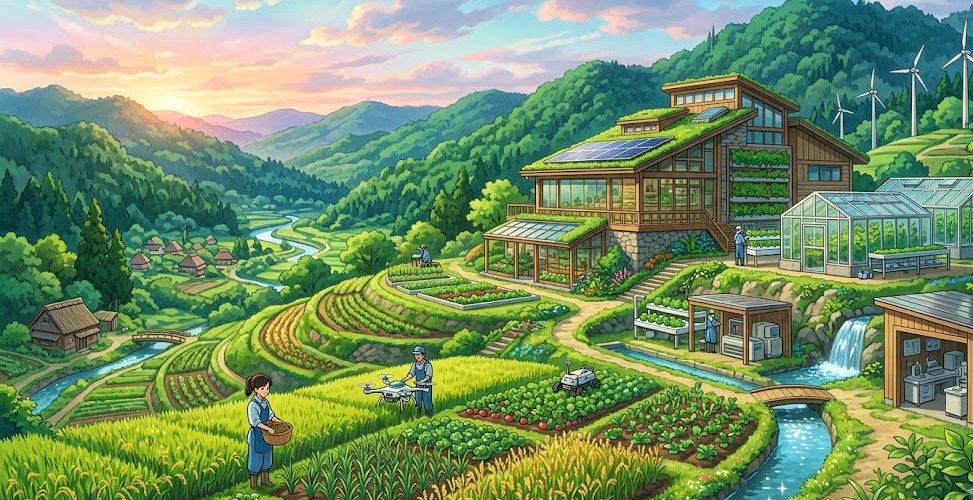
The agricultural sector is currently undergoing a radical evolution, shifting away from resource-heavy traditional methods toward a more intelligent, integrated, and eco-friendly model. In 2026, the concept of a Farming Innovation Hub has emerged as the central pillar for this transformation, offering a blueprint for “Financial Freedom” by balancing modern productivity with environmental stewardship.
For the forward-thinking grower, this “Next-Gen” approach is not just about adopting new tools; it is about creating a “Closed-Loop” ecosystem where technology and nature work in perfect synergy.
1. The Core of Innovation: Digital Intelligence
A Farming Innovation Hub acts as the “brain” of the agricultural operation. By utilizing “Smart Farming” innovations, growers can move from reactive troubleshooting to predictive management.
- Predictive AI and Data Analytics: Artificial Intelligence models now analyze years of weather patterns and real-time soil data to provide a blueprint for every season.
- IoT Ecosystems: Internet of Things (IoT) sensors monitor the “biological engine” of the farm, identifying nutrient deficiencies or pest threats before they are visible to the human eye.
- Precision Management: These digital tools ensure that the farm operates at peak efficiency, maximizing the yield of “High-Value Cash Crops” while minimizing manual effort.
2. Healing the Soil: The Foundation of Sustainability
Innovation in 2026 is deeply rooted in “Natural Farming” principles. The most successful innovation hubs prioritize “healing the soil naturally” to ensure long-term resilience against climate change.
- No-Till and Soil Vitality: By avoiding heavy plowing, farmers preserve delicate fungal networks (mycorrhizae) that act as a natural nutrient delivery system.
- Bio-Inputs over Chemicals: The secret to achieving “Zero Chemical Costs” lies in fermented organic matter. These bio-inputs “recharge” the soil’s microbial life, providing immediate nutrition without the “burning” effect of synthetic NPK.
- Carbon Sequestration: Healthy soil management keeps carbon locked in the ground, improving soil structure and making the farm “Climate-Resilient”.
3. Water Management: Precision and Conservation
In the era of “Smart Farming,” water is treated as a precious digital asset. Next-Gen agriculture focuses on “water-saving techniques” that ensure every drop contributes to the harvest.
- Smart Irrigation: Automated drip systems, triggered by real-time soil moisture sensors, deliver hydration directly to the root zone.
- Mulching as a Shield: A cornerstone of “Practical Farming” is the use of mulch to act as a protective blanket. This layer suppresses weeds and significantly reduces evaporation, keeping the root zone moist and cool.
4. Integrated Systems: The Closed-Loop Blueprint
The most advanced Farming Innovation Hubs are those that integrate different life forms to create a self-sustaining cycle.
- Livestock and Crop Synergy: Integrating poultry, dairy, or goat farming into the operation creates a “Closed-Loop” system. Livestock provide the raw materials for bio-inputs, while crop residues serve as nutritious feed for the animals.
- Natural Pest Management (NPM): By fostering biodiversity and inviting natural predators, these hubs manage pests without toxic chemicals. This “low-maintenance” approach reduces costs and improves the quality of the final produce.
5. Micro Farming and Niche Markets
Innovation is not reserved for large-scale operations. “Micro Farming” techniques have turned small plots into high-profit ventures.
- High-Value Cash Crops: Next-Gen hubs often focus on “Exotic Vegetables” like broccoli, zucchini, or cherry tomatoes, which offer a much higher return on investment per square foot.
- Urban Success: Vertical gardening and space optimization allow for “Micro Farming” even in urban environments, bringing fresh food closer to the consumer.
Conclusion: Securing Financial Freedom through Innovation
The move toward Next-Gen agriculture is a strategic path to “Financial Freedom”. By combining the precision of “Smart Technology” with the wisdom of “Natural Farming,” growers can create a resilient, high-yield environment that requires less effort and zero chemical costs.
Whether you are practicing “Survival Farming” for self-reliance or scaling a commercial hub, the goal remains the same: grow more, waste less, and restore the earth.