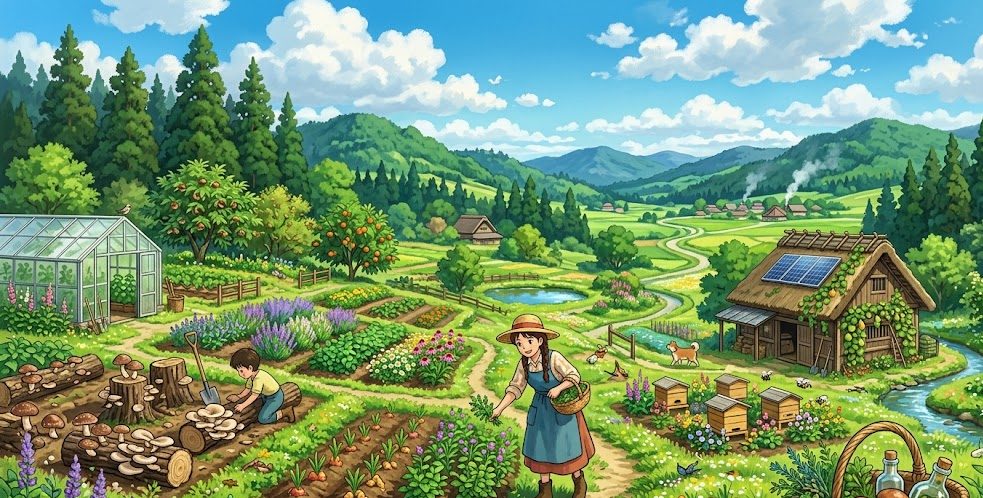
For generations, traditional agriculture has followed a familiar rhythm: planting acres of wheat, corn, rice, or seasonal vegetables, and waiting months for a single harvest. While conventional farming remains the backbone of our global food supply, small-scale landowners and modern agricultural entrepreneurs are facing a harsh reality. Rising land costs, unpredictable weather patterns, fluctuating commodity prices, and heavy competition make it incredibly difficult to turn a steady profit on small acreage using traditional crops.
This economic squeeze has given rise to a powerful movement: alternative agriculture.
Instead of competing in low-margin commodity markets, forward-thinking growers are turning to specialized, high-value farming niches. These modern agricultural methods focus on maximizing yield per square foot, utilizing smart technology, and targeting highly profitable, under-served market segments. Whether you have a multi-acre homestead, a suburban backyard, or a spare basement in the city, alternative agriculture opens up doors to incredible revenue streams that traditional farming simply cannot match.
In this comprehensive guide, we will break down the most lucrative farming niches today, exploring how you can diversify your income and build a successful, sustainable agribusiness from scratch.
The Shift to High-Value Niche Farming
Before exploring specific niches, it is essential to understand why alternative agriculture is thriving. Traditional crops require massive scale to be profitable. A farmer growing standard corn might need hundreds of acres to make a comfortable living due to low wholesale margins.
Alternative agriculture flips this model upside down. By focusing on high-value, specialized products, you can generate significant income from a tiny footprint. These niches typically benefit from:
- Year-Round Production: Moving away from seasonal dependency by utilizing indoor or controlled-environment setups.
- Direct-to-Consumer Sales: Selling straight to local restaurants, boutique grocery stores, or farmers’ markets, allowing you to keep 100% of the retail profit margin.
- High Demand, Low Supply: Capitalizing on modern health and wellness trends that prioritize fresh, organic, hyper-local superfoods and specialty products.
Niche 1: Controlled Environment Agriculture (Hydroponics & Aquaponics)
One of the fastest-growing sectors in alternative agriculture is Controlled Environment Agriculture (CEA). By taking soil out of the equation and controlling the climate, growers can produce pristine, premium-grade crops anywhere in the world, 365 days a year.
1. The Power of Hydroponics
Hydroponics is the method of growing plants in a nutrient-rich water solution without any soil. Because the roots do not have to work hard to search for nutrients, the plants grow up to 30% faster and produce significantly higher yields in a fraction of the space.
Source: Shutterstock
Explore
Popular, high-margin crops for beginner hydroponic farmers include:
- Gourmet Lettuce & Salad Greens: Highly sought after by local restaurants for their crisp texture and long shelf life.
- Culinary Herbs: Fresh basil, cilantro, mint, and chives command premium prices per ounce compared to standard vegetables.
- Microgreens: Tiny, nutrient-dense greens harvested just 7 to 14 days after germination. They are the ultimate high-yield crop for small spaces, often netting incredible profit margins per square foot.
2. The Symbiotic Value of Aquaponics
If you want to take sustainability a step further, aquaponics combines hydroponics with aquaculture (fish farming). In this closed-loop ecosystem, fish waste provides a rich, organic nutrient source for the growing plants, while the plants naturally filter and clean the water before it loops back to the fish tanks. This gives you two distinct products to sell from a single system: fresh gourmet greens and premium, sustainably raised fish.
Niche 2: Gourmet and Medicinal Mushroom Cultivation
If you don’t have access to bright, sunny fields or don’t want to invest heavily in expensive grow lights, mushroom cultivation is an absolute goldmine. Mushrooms thrive in dark, humid, controlled indoor environments, making them perfect for repurposed garages, basements, or shipping containers.
1. Why Mushrooms are a Premium Crop
Standard white button mushrooms are cheap and mass-produced. However, exotic, gourmet varieties cannot be easily harvested by giant industrial machines. They require careful, hands-on attention, which keeps wholesale prices high and protects small-scale growers from corporate undercutting.
Highly profitable varieties to consider cultivating include:
- Oyster Mushrooms (Blue, Yellow, Pink, and King): Incredibly fast growers that can mature on simple substrates like pasteurized straw or sawdust blocks in just a few weeks.
- Lion’s Mane: A beautiful, shaggy mushroom exploding in popularity due to its unique, lobster-like culinary texture and celebrated neurological health benefits.
- Shiitake: A staple in fine dining and Asian cuisine, known for its deep, rich, savory flavor profile.
2. Low Waste, High Return
Mushroom farming is a champion of the circular economy. The substrate blocks used to grow them are typically made from agricultural waste products, such as sawdust from local lumber mills or spent brewer’s grain from coffee shops and breweries. What is considered trash by one industry becomes the foundational fuel for your high-yield mushroom harvest.
Niche 3: Apiculture (Advanced Beekeeping)
When most people think of beekeeping, they think of jars of golden honey. While raw, local honey is always an excellent, high-margin product, professional apiculture offers several diversified revenue streams that go far beyond the kitchen pantry.
1. Beyond the Honey Jar
To maximize profits in apiculture, successful alternative farmers diversify into high-value bee bi-products:
- Beeswax: A premium ingredient heavily bought by the natural cosmetics industry for hand-made soaps, lip balms, lotions, and clean-burning artisanal candles.
- Propolis & Royal Jelly: Highly prized in the health and supplement industry for their intense antioxidant and immune-boosting properties.
- Pollination Services: Commercial fruit, nut, and vegetable growers require millions of bees to pollinate their fields every spring. Local beekeepers can make substantial income simply by renting out their healthy hives to nearby orchards for a few weeks at a time.
2. Minimal Land Requirements
Bees do not require expansive pastures. A small, secure corner of a backyard or homestead can comfortably house several hives. Because bees naturally forage for miles in every direction, they utilize the surrounding landscape to build your business without you needing to own or rent the land they forage on.
Niche 4: Specialized Livestock and Micro-Ranching
If you love working with animals but don’t have the space or capital for a massive herd of cattle, micro-ranching presents an incredibly lucrative alternative.
1. Heritage Poultry Business
Instead of raising mass-market commercial chickens, specialized poultry farmers focus on high-value niches:
- Pastured Quail & Duck Eggs: Gourmet restaurants and health-conscious consumers willingly pay double or triple the price of standard chicken eggs for the rich flavor and unique nutritional profiles of duck and quail eggs.
- Day-Old Chicks of Rare Breeds: Breeding and hatching certified heritage poultry breeds for backyard hobbyists is a highly profitable side-hustle that requires minimal space and relies heavily on simple incubator technology.
2. High-Value Fiber Farming
Animals like Alpacas or specialized Angora goats take up far less space than traditional livestock and are remarkably gentle on the land. Instead of raising animals for meat, fiber farmers harvest their luxurious, ultra-soft fleece once a year. This raw fiber can be processed into premium, high-end yarn and clothing items that command top-tier luxury prices in the textile market.
Comparing Lucrative Alternative Agriculture Niches
| Farming Niche | Space Requirements | Initial Investment | Time to First Harvest | Primary Target Market |
|---|---|---|---|---|
| Microgreens | Ultra-Low (Spare Room/Shelves) | Low | 7 – 14 Days | Local Cafes, Home Chefs, Farmers’ Markets |
| Hydroponic Herbs | Medium (Indoor/Greenhouse) | Moderate to High | 4 – 6 Weeks | Grocery Stores, Fine Dining Restaurants |
| Gourmet Mushrooms | Low (Basement/Grow Tent) | Low to Moderate | 3 – 5 Weeks | Organic Markets, Vegan/Vegetarian Eateries |
| Apiculture (Beekeeping) | Low (Backyard Corner) | Low to Moderate | 1 Season | Local Retail, Cosmetics Brands, Orchards |
| Specialized Poultry | Medium (Backyard/Small Plot) | Low | Ongoing (Daily Eggs) | Health Food Stores, Local Consumers |
Frequently Asked Questions (FAQs)
Q1: Do I need a background in farming to start an alternative agriculture business?
Not at all. In fact, many of the most successful alternative farmers today started out as urban hobbyists or tech professionals. Because these niches rely heavily on controlled systems, indoor environments, and precise processes rather than traditional open-field tractor farming, anyone with a willingness to learn, experiment, and pay attention to detail can succeed.
Q2: How do I find buyers for specialty agricultural products?
The secret to alternative agriculture success is staying hyper-local. Before you plant a single seed or buy a mushroom culture, visit your local independent restaurants, high-end cafes, and boutique grocery stores. Bring clean, professional samples of your products, talk directly to the head chefs or store managers, and secure verbal commitments or regular weekly orders.
Q3: What is the biggest risk in indoor alternative farming?
For indoor setups like hydroponics and mushroom cultivation, the biggest risks are power outages and biosecurity (contamination). Because these systems run in optimized, humid environments, a sudden loss of climate control or the introduction of a mold spore can quickly ruin a batch. Investing in backup power generators and maintaining strict sanitation practices are critical steps to safeguarding your investment.
Q4: Can I start one of these alternative farming niches while keeping my day job?
Absolutely. Niches like microgreens, small-scale mushroom cultivation, and beekeeping are incredibly modular. You can start with a single grow shelf or two beehives in your spare time, spending just a few hours a week managing the systems. Once you establish a consistent routine and secure steady local buyers, you can safely scale your infrastructure and transition into full-time farming.
Conclusion
The face of modern farming is changing rapidly. You no longer need inheritance of vast tracts of land, massive industrial tractors, or millions of dollars in capital to run a highly profitable agricultural enterprise.
By stepping away from traditional commodity crops and embracing alternative agriculture, you unlock the ability to turn tiny spaces into high-yield, high-margin revenue engines. Whether it is the rapid, automated turnaround of indoor hydroponics, the low-cost resourcefulness of gourmet mushroom cultivation, or the multifaceted value of a backyard apiary, the opportunities for innovative green entrepreneurs are limitless. Pick a niche that matches your space and interests, start small, master the process, and watch your alternative agricultural business bloom!