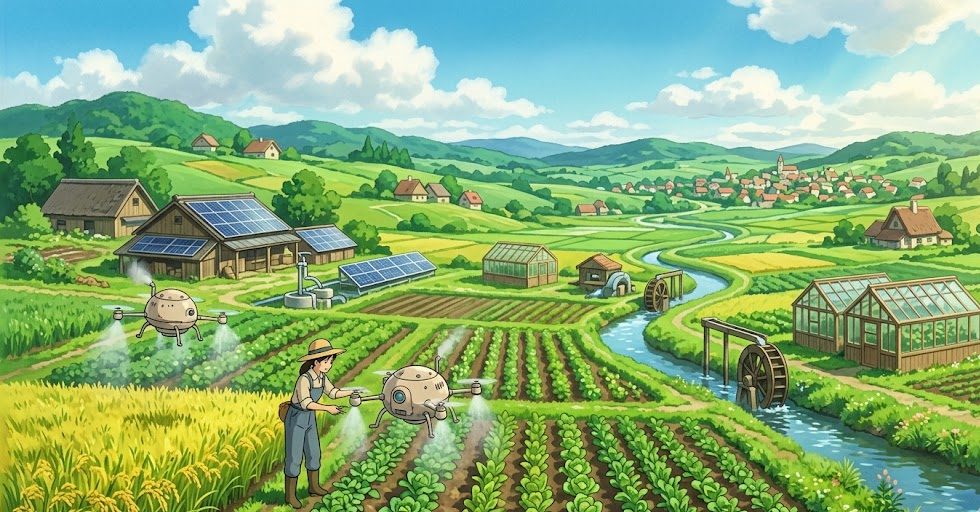
Agriculture is at a crossroads. As we navigate the demands of a growing population and increasingly unpredictable weather patterns, the traditional “spray and pray” method of farming is quickly becoming a relic of the past. Today’s most successful farmers are shifting their focus toward smart crop farming—a methodology that integrates technology, data, and biology to produce higher yields with fewer resources. It is not necessarily about buying the most expensive robotics; it is about making smarter, more informed decisions about soil, water, and plant health. If you are looking to move your operation from survival mode to high-performance production, adopting a “smart” mindset is your most effective path forward. In this guide, we break down the practical, actionable strategies that define modern, high-yield agriculture and show you how to implement them on your own land.
1. The Data-Driven Foundation: Understanding Your Soil
Smart farming begins beneath the surface. You cannot optimize a crop if you do not understand the specific chemical and biological composition of the dirt it grows in.
Precision Soil Testing
Many farmers still apply fertilizer based on generic regional advice. This leads to nutrient runoff, wasted money, and soil imbalance. Modern smart farming relies on site-specific soil testing. By mapping your fields and testing different zones, you can apply the exact balance of N-P-K (nitrogen, phosphorus, and potassium) where it is needed.
- Practical Insight: Don’t just test for macro-nutrients. Ask your local laboratory for micronutrient analysis, including magnesium, calcium, and sulfur. Balancing these often-overlooked elements can unlock significant yield increases that standard fertilizers cannot achieve alone.
Increasing Soil Organic Matter (SOM)
The most resilient farms are those with high organic matter. SOM acts like a sponge, holding water and nutrients near the root zone. By integrating techniques like green manuring and applying high-quality compost, you create a biological infrastructure that helps your crops survive heat stress and minimize the need for synthetic inputs.
2. Precision Irrigation: Managing the Lifeblood of Crops
Water is often the most expensive variable in your production budget. Inefficient irrigation leads to stunted growth, disease outbreaks, and increased utility costs.
The Shift to Drip and Fertigation
Flood irrigation is inherently wasteful, with huge portions of water lost to evaporation or runoff. Smart farming advocates for drip irrigation, which delivers water directly to the root zone.
The real magic, however, happens with fertigation. By mixing your fertilizers directly into your irrigation water, you deliver nutrients exactly when and where the plant needs them. This minimizes waste and ensures that your crops have a steady, stress-free supply of nutrition throughout their growth cycle, which is essential for maximizing yield.
Utilizing Moisture Sensors
You don’t need a massive budget to monitor moisture. Affordable digital tensiometers or soil moisture probes can provide real-time data on exactly how much water is held in the soil. By irrigating only when your sensors show a depletion in moisture, you prevent over-watering, which is one of the leading causes of root rot and fungal disease in high-value vegetable crops.
3. Integrated Pest Management (IPM) for Long-Term Health
A smart farm is an ecosystem, not a chemical factory. Over-reliance on broad-spectrum pesticides often leads to “secondary pest outbreaks,” where beneficial insects—which naturally eat the pests—are wiped out, leaving the crops vulnerable.
The Prevention-First Strategy
IPM is the cornerstone of smart crop management. It involves:
- Monitoring and Scouting: Walk your fields daily. Identifying a pest outbreak early when only a few plants are affected is infinitely cheaper and easier than managing a full-scale infestation.
- Cultural Controls: Use techniques like crop rotation to break pest life cycles and companion planting to naturally attract beneficial insects like ladybugs and predatory wasps.
- Biorational Pesticides: When control is necessary, use targeted, low-toxicity products like neem oil or bacillus thuringiensis (Bt) that leave beneficial insects unharmed.
4. High-Efficiency Crop Selection and Rotation
Not all varieties are created equal. Modern seed technology has produced varieties that are not only high-yielding but also more resistant to the specific environmental challenges of your region.
Selecting for Stress Tolerance
Look for seed varieties bred for resilience rather than just raw size. Traits like “heat-set” capabilities (the ability to produce fruit in high temperatures) or drought tolerance can save a harvest during a bad season.
Mastering Rotation Cycles
Never plant the same crop in the same bed two seasons in a row. Different crops have different nutrient requirements and pest profiles. A solid rotation plan—such as following a nitrogen-demanding crop like corn with a nitrogen-fixing legume—naturally improves soil structure and reduces the need for external fertilizer.
5. Technology and Record-Keeping
You cannot manage what you do not measure. The transition to smart farming requires moving from anecdotal memory to hard data.
The Digital Logbook
Whether you use a simple spreadsheet or a dedicated mobile app, keep a meticulous record of every action: planting dates, fertilizer types, irrigation schedules, and weather patterns.
- The Power of Analysis: At the end of every season, review your logs. You might discover, for example, that your yield was 15% higher in fields where you planted two weeks earlier, or that a specific variety struggled with late-season humidity. These insights are pure gold, allowing you to refine your operations and scale your profitability year after year.
Conclusion
Smart crop farming is about changing your relationship with your land. It is the move from reactive, labor-intensive habits to proactive, data-informed strategies. By prioritizing soil health, mastering precision irrigation, and practicing integrated pest management, you create a system that works with nature rather than against it.
Remember, you don’t need to change everything at once. Pick one area—perhaps soil testing or moisture monitoring—and master it this season. As you see the results in your yield and your margins, you will find it easier to integrate further smart technologies. Farming is a long-term endeavor, and every move toward precision today builds a more sustainable, profitable, and secure future for your agricultural business.