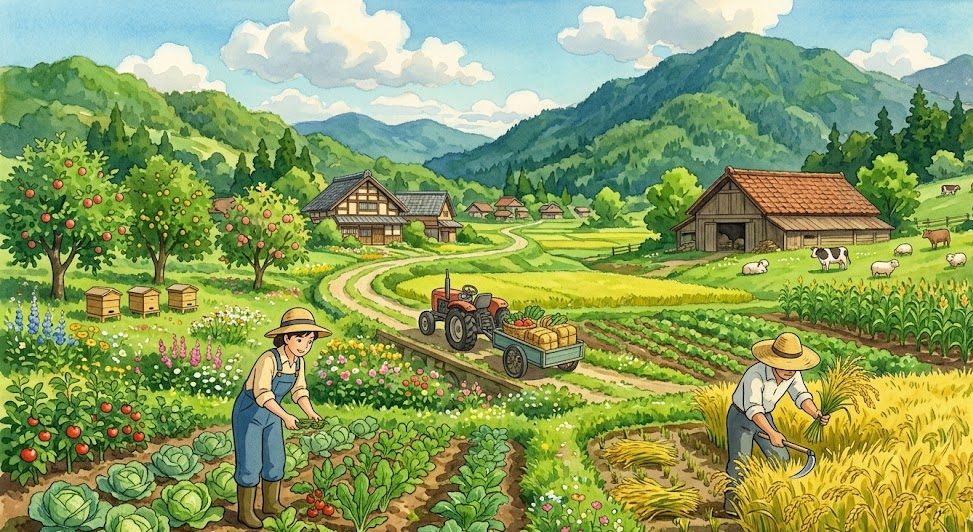
As we move deeper into 2026, the agricultural landscape is changing at a breathtaking pace. Scaling a farm is no longer just about buying more land or adding more heads of livestock; it is about working smarter, leveraging data, and optimizing every square inch of your operation. Whether you are managing a small organic plot or a mid-sized commercial enterprise, the path to increased productivity and profitability lies in a strategic blend of technology, efficiency, and diversification.
If you are looking to take your farming operation to the next level, here are seven proven strategies to scale your farm effectively in 2026.
1. Adopt Precision Agriculture (Data-Driven Decisions)
The “gut feeling” approach to farming is rapidly becoming a relic of the past. In 2026, precision agriculture is the baseline for profitability.
- Sensors and IoT: Use soil moisture sensors, weather stations, and drone mapping to identify exactly where your crops need water, fertilizer, or pest control.
- Variable Rate Application (VRA): By applying inputs only where they are needed, you significantly reduce waste and lower your overhead costs, directly boosting your profit margins.
2. Diversify Your Revenue Streams
Relying on a single commodity is a high-risk strategy in an increasingly volatile climate. Scaling isn’t just about “more of the same”; it’s about “more ways to profit.”
- Value-Added Products: Instead of selling raw produce, process it. Turn your tomatoes into sauces, your milk into artisanal cheese, or your wool into yarn. Value-added products often yield 3x to 5x higher margins than raw agricultural commodities.
- Agritourism: Utilize your land for farm-to-table dinners, educational workshops, or “pick-your-own” experiences. This turns your farm into a destination, creating a cash flow that is less dependent on harvest cycles.
3. Implement Lean Farming Principles
Originally developed for manufacturing, “Lean” methodologies are now transforming agriculture. The goal is to eliminate “muda” (waste).
- Workflow Optimization: Review your daily routines. Are you walking unnecessary distances to fetch tools? Is your storage layout inefficient? By optimizing your physical farm layout and streamlining your standard operating procedures (SOPs), you can save hundreds of hours of labor each year.
- Batching Tasks: Instead of performing a task intermittently, batch similar jobs together to minimize transition time and equipment setup effort.
4. Invest in Scalable Automation
Labor is often the biggest cost and the hardest constraint to overcome when scaling. In 2026, automation is no longer just for massive industrial farms.
- Automated Irrigation: Systems that adjust based on real-time climate data prevent both under-watering and over-watering, ensuring peak crop health with zero manual intervention.
- Robotic Weeders and Harvesters: As mentioned in modern weed control strategies, small-scale robots are now becoming affordable. Investing in one autonomous unit can be cheaper and more reliable than hiring seasonal labor for repetitive tasks.
5. Build a Direct-to-Consumer (DTC) Brand
The middleman eats into your profit margins. In 2026, the power of digital marketing allows farmers to reach the end consumer directly.
- E-Commerce and Subscription Models: Use a CSA (Community Supported Agriculture) model or an online store to secure upfront capital at the start of the season.
- Storytelling: Consumers today are willing to pay a premium for transparency. Use social media to show the process, the ethics, and the faces behind the food. A strong brand allows you to set your own prices rather than accepting the fluctuating prices of the wholesale market.
6. Focus on Soil Health as an Asset
If you want to scale production, your soil must be capable of supporting it. Degraded soil requires more chemical inputs, which hurts your bottom line.
- Regenerative Practices: Cover cropping, no-till farming, and rotational grazing improve soil structure and water retention.
- Long-Term Yield: Healthy, carbon-rich soil acts as a buffer against drought and floods. By investing in the biological “capital” of your land, you are ensuring that your yields remain stable and robust as you increase your scale.
7. Leverage Collaborative Farming
You don’t have to do it alone. The “sharing economy” has reached agriculture.
- Equipment Cooperatives: Do you really need to own a $200,000 harvester if you only use it for two weeks a year? Join or form a co-op with neighboring farmers to share expensive, high-efficiency equipment.
- Shared Distribution: Partner with other local producers to combine shipments. This reduces transportation costs and allows you to supply larger wholesale contracts that you wouldn’t be able to fulfill on your own.
The Bottom Line
Scaling in 2026 is about efficiency, not just volume. It is about moving away from the “bigger is better” mentality and toward a “better is bigger” philosophy. By focusing on data-driven management, value-added products, and lean operations, you can grow your profits while simultaneously creating a more resilient and sustainable agricultural business.
Start by auditing your current operation. Where is the most time being wasted? What is your lowest-margin product? Pick one of these strategies to implement this season, and watch how it transforms your farm’s productivity.