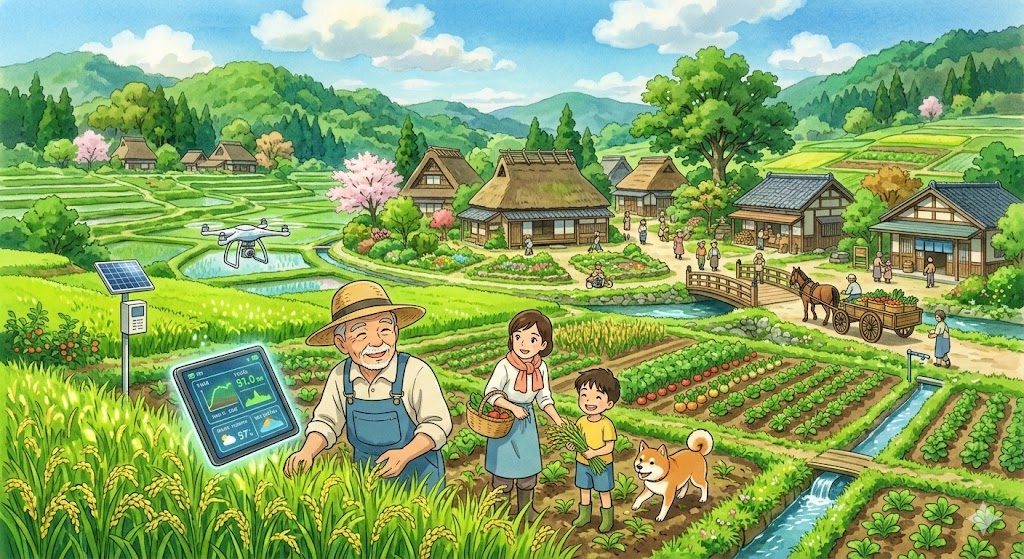
Introduction
The future of agriculture depends on efficiency, innovation, and sustainability. As global food demand continues to rise, farmers must produce more using limited resources such as land and water. Traditional farming methods alone are no longer enough to achieve consistent growth.
A well-planned agriculture growth guide helps farmers improve productivity through modern techniques, better resource management, and scientific farming approaches. By adopting smart practices, agriculture can become more profitable and environmentally responsible.
Key Factors Influencing Agricultural Growth
Agricultural success depends on several interconnected factors:
- Climate conditions
- Soil fertility
- Water availability
- Farming knowledge
- Access to technology
- Market demand
Understanding these factors allows farmers to plan more effectively.
Smart Farming Techniques for Growth
1. Precision Farming
Precision farming uses data and technology to optimize agricultural activities.
Farmers use:
- Sensors
- GPS mapping
- Data analysis tools
This ensures accurate use of fertilizers, water, and pesticides, reducing waste while increasing productivity.
2. Proper Crop Planning
Planning crops according to seasons and soil conditions improves yield significantly.
Important considerations:
- Climate suitability
- Market demand
- Soil nutrient requirements
- Crop rotation schedules
Strategic planning reduces risks and improves income stability.
3. Balanced Nutrient Management
Excess fertilizer can damage soil and increase costs.
Balanced nutrition includes:
- Organic compost
- Biofertilizers
- Controlled chemical fertilizer use
Proper nutrient management supports long-term soil fertility.
4. Mechanization in Agriculture
Farm machinery increases efficiency and saves labor time.
Examples:
- Seed drills
- Harvesters
- Power tillers
- Sprayers
Mechanization helps farmers manage larger areas with improved accuracy.
5. Climate-Smart Agriculture
Climate-smart practices help farmers adapt to changing weather patterns.
These include:
- Drought-resistant crops
- Efficient irrigation systems
- Protective farming techniques
- Weather-based farming decisions
Such practices reduce crop losses caused by extreme conditions.
Improving Farm Profitability
Growth in agriculture is closely linked to profitability.
Farmers can improve earnings by:
- Reducing input waste
- Improving storage facilities
- Selling processed products
- Building direct buyer relationships
Efficient cost management increases net profit even without expanding farmland.
Digital Agriculture and Future Opportunities
Digital tools are becoming essential in modern farming.
Examples include:
- Mobile farming advisory apps
- Online crop marketplaces
- Remote monitoring systems
- AI-based crop analysis
Digital agriculture improves decision-making and market access.
Importance of Farmer Education
Continuous learning plays a major role in agricultural development.
Farmers benefit from:
- Agricultural training programs
- Online learning platforms
- Government extension services
- Farmer community networks
Knowledge adoption leads to faster agricultural growth.
Environmental Benefits of Smart Agriculture
Modern growth strategies also protect the environment.
Positive impacts include:
- Reduced soil degradation
- Efficient water usage
- Lower chemical pollution
- Increased biodiversity
Sustainable farming ensures long-term productivity.
Common Mistakes to Avoid
Many farmers unknowingly limit growth by:
- Overusing fertilizers
- Ignoring soil testing
- Planting unsuitable crops
- Poor irrigation planning
Avoiding these mistakes improves overall farm performance.
Future of Agricultural Growth
The future of farming lies in combining traditional wisdom with modern innovation. Technologies such as automation, artificial intelligence, and precision irrigation will continue improving productivity while conserving resources.
Farmers who adapt early to modern practices will gain long-term competitive advantages.
Conclusion
Agricultural growth is achievable through smart planning, technology adoption, and sustainable practices. By improving soil health, adopting precision farming, managing resources efficiently, and understanding market trends, farmers can achieve higher yields and stable income.
The journey toward successful agriculture begins with informed decisions and continuous improvement, making farming both profitable and sustainable for generations to come.