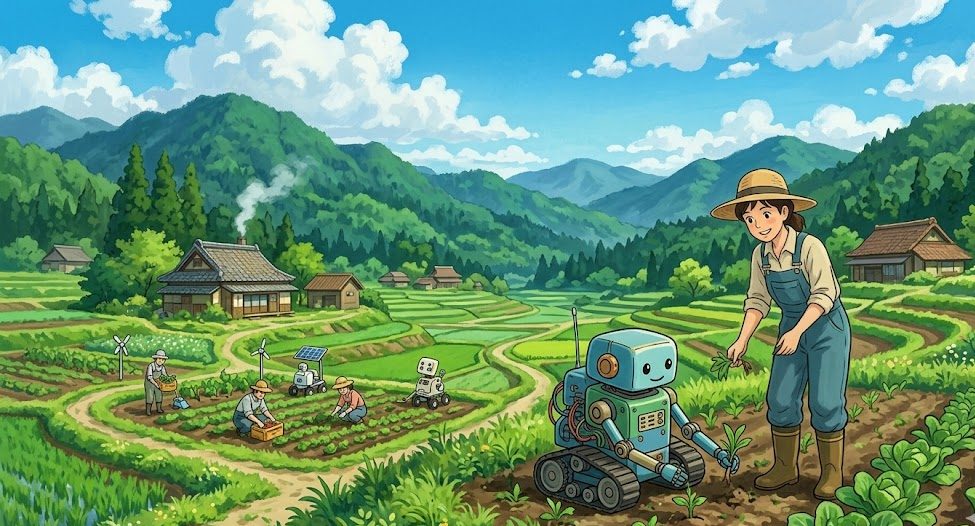
The image of the traditional farmer—bent over, working long hours under the sun with manual tools—is undergoing a profound transformation. While the narrative of “high-tech agriculture” has historically been dominated by massive industrial conglomerates, the real revolution is currently taking place on small-scale farms.
For the smallholder, AI (Artificial Intelligence) and robotics are no longer futuristic luxuries; they are becoming essential tools for survival, sustainability, and profitability. By bridging the gap between manual labor and data-driven precision, these technologies are empowering small-scale farmers to do more with less.
The Precision Revolution: Precision Agriculture at Your Fingertips
At its core, small-scale farming is a constant struggle against variables: soil health, pest outbreaks, weather fluctuations, and water availability. Historically, farmers relied on intuition and “blanket” applications of fertilizers or pesticides. This approach is inefficient, costly, and environmentally taxing.
AI is changing this through Precision Agriculture.
- AI-Powered Crop Monitoring: With simple smartphones and low-cost drones, farmers can now capture high-resolution imagery of their fields. AI algorithms analyze these images to detect early signs of nutrient deficiency, disease, or pest infestations—often before they are visible to the naked eye.
- Targeted Intervention: Instead of spraying an entire acre with pesticides, an AI-guided sprayer can identify exactly which plant needs attention. This minimizes chemical waste, reduces costs, and results in a cleaner, safer end product.
Robotics: The Answer to the Labor Crunch
One of the most persistent challenges for small-scale farmers is the rising cost and scarcity of labor. During planting and harvesting seasons, the time-sensitive nature of the work often creates a bottleneck.
Small-scale robotics is stepping in to fill this gap:
- Autonomous Weeders: Weeding is arguably the most labor-intensive task on a small farm. New, compact robotic weeders use computer vision to distinguish between crops and weeds, removing unwanted plants mechanically or with precise lasers. This eliminates the need for harmful herbicides and saves hundreds of hours of manual labor.
- Smart Irrigation Systems: Water management is critical for smallholders. AI-driven sensors embedded in the soil monitor moisture levels in real-time. When connected to automated valves, these systems provide water only when and where it is needed, drastically reducing water usage and ensuring optimal crop growth.
- Collaborative Robots (Cobots): Lightweight, user-friendly robotic arms are now being deployed to help with tasks like harvesting delicate fruits or packaging produce. These machines work alongside humans, augmenting their efforts rather than replacing them.
Data as the New Currency
Perhaps the most significant transformation is the democratization of data. In the past, agricultural research and sophisticated analytics were locked behind paywalls or required expensive consultants. Today, AI-powered apps act as “agronomists in the pocket.”
By aggregating weather data, soil reports, and historical planting trends, AI platforms can provide personalized recommendations for small farmers:
- “Plant your seeds tomorrow morning to maximize germination based on the upcoming 48-hour rainfall forecast.”
- “Your nitrogen levels are 15% lower than the regional average for this specific crop; apply organic compost to sector B.”
This level of guidance reduces the inherent risk of farming, making small-scale operations more stable and bankable—which in turn helps farmers secure loans and plan for the future.
Overcoming the Barriers to Adoption
While the potential is immense, we must acknowledge the barriers. The digital divide, lack of internet connectivity in rural areas, and the initial cost of equipment remain real hurdles. However, the ecosystem is shifting:
- Affordable Hardware: Companies are increasingly focused on “Farming-as-a-Service” models, where farmers can rent robotic equipment for a season rather than buying it outright.
- Edge AI: Modern AI tools are being designed to run locally on devices, meaning they don’t always require a high-speed, constant internet connection to analyze data in the field.
- Community Cooperatives: When small farmers pool their resources to invest in a piece of robotics or a drone service, they create a shared-economy model that makes high-tech affordable for everyone.
The Path Forward: A Sustainable Future
The ultimate goal of integrating AI and robotics into small-scale farming isn’t just about efficiency—it is about sustainability. These technologies allow farmers to adopt regenerative practices more effectively. By using less water, fewer chemicals, and reducing soil compaction through lighter, autonomous machinery, small-scale farmers are becoming the frontline warriors in the fight against climate change.
As we look toward the future, the integration of human intuition and machine precision offers a promising path. We are moving toward a world where farming is more predictable, more profitable, and significantly more respectful of our natural resources.
For the small-scale farmer, the revolution isn’t coming—it’s already growing, one data point and one robotic intervention at a time.