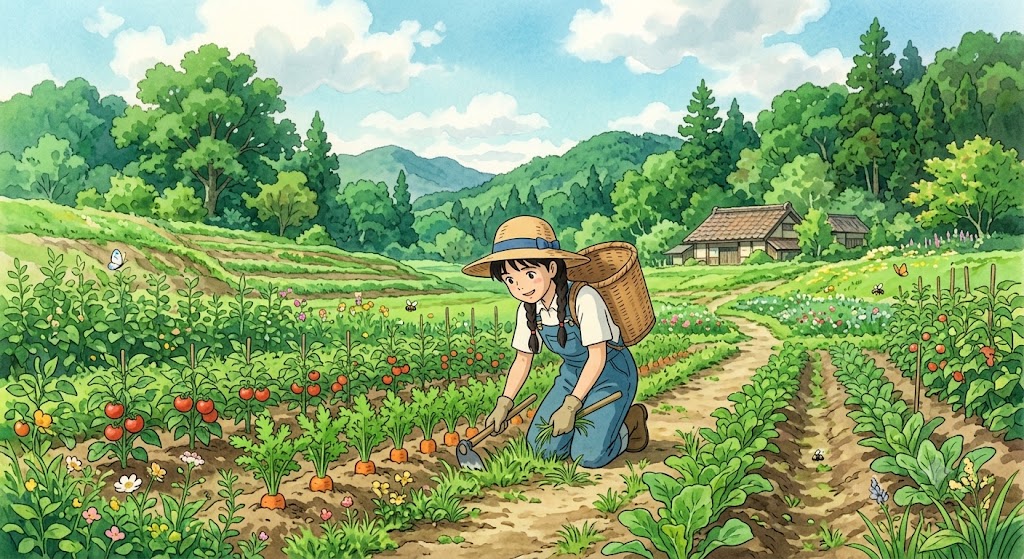
Walk onto a modern farm in 2026, and you’ll notice something very different from just a few years ago. Alongside tractors and irrigation systems, you’ll see drones flying above fields, sensors measuring soil moisture, mobile apps predicting disease outbreaks, and automated machines performing tasks that once required dozens of workers.
Agriculture is no longer driven by hard work alone—it is increasingly powered by technology, data, and smarter decision-making.
With global food demand continuing to rise and climate conditions becoming less predictable, farmers are looking for practical solutions that increase productivity while reducing costs and protecting natural resources. The latest agricultural innovations are helping achieve exactly that.
Whether you’re a small-scale grower or manage a large commercial farm, understanding these innovations can help you stay competitive and prepare for the future of farming.
Farming Is Becoming More Data-Driven
One of the biggest changes in agriculture is the shift from guesswork to informed decision-making.
Instead of relying only on experience, farmers now use real-time information collected from sensors, satellites, drones, and weather stations. This data helps determine the best time to irrigate, fertilize, spray crops, and harvest.
As a result, farms become more efficient while reducing unnecessary expenses.
1. Artificial Intelligence for Smarter Farm Decisions
Artificial Intelligence (AI) is rapidly becoming an essential farming tool.
Modern AI systems can analyze thousands of data points in seconds and provide recommendations that help farmers make better decisions.
AI is commonly used for:
- Predicting crop yields
- Detecting plant diseases
- Identifying nutrient deficiencies
- Monitoring weather risks
- Optimizing irrigation schedules
- Forecasting market trends
Instead of replacing farmers, AI supports them by improving decision-making and reducing uncertainty.
2. Drone Technology Is Saving Time and Resources
Agricultural drones are no longer considered luxury equipment.
Today they perform multiple farming tasks with remarkable accuracy.
Common applications include:
- Field mapping
- Crop health monitoring
- Precision spraying
- Weed detection
- Irrigation assessment
- Livestock monitoring
Because drones cover large areas quickly, farmers can identify problems long before they become visible during manual field inspections.
3. Precision Agriculture Is Reducing Waste
Applying the same amount of fertilizer or water across an entire field is becoming less common.
Precision agriculture allows farmers to manage every section of their land individually.
Using GPS technology, soil sensors, and digital field maps, farmers can apply:
- Water only where needed
- Fertilizer in accurate quantities
- Targeted pesticide treatments
- Variable-rate seed planting
This approach lowers production costs while increasing overall efficiency.
4. Smart Irrigation Systems
Water conservation has become a priority in many farming regions.
Modern irrigation systems now respond automatically to changing field conditions.
These systems monitor:
- Soil moisture
- Rainfall forecasts
- Temperature
- Crop growth stages
- Evaporation rates
Water is supplied only when crops truly need it, reducing waste and improving sustainability.
5. Agricultural Robots Are Filling Labor Gaps
Finding reliable farm labor has become increasingly difficult in many countries.
To address this challenge, manufacturers have developed agricultural robots capable of performing repetitive tasks with impressive precision.
Robotic systems are now being used for:
- Fruit harvesting
- Vegetable picking
- Weed removal
- Seed planting
- Greenhouse management
Automation helps improve productivity while lowering long-term labor costs.
6. Internet of Things (IoT) Is Connecting Farms
The Internet of Things (IoT) allows different devices across a farm to communicate with one another.
Sensors placed throughout the farm continuously collect information about:
- Soil moisture
- Air temperature
- Humidity
- Water levels
- Livestock activity
- Equipment performance
Farmers can monitor these conditions directly from their smartphones, making it easier to respond quickly when problems arise.
7. Climate-Smart Farming Practices
Climate change is encouraging farmers to adopt more resilient production methods.
Popular climate-smart innovations include:
- Drought-tolerant crop varieties
- Rainwater harvesting
- Conservation tillage
- Cover cropping
- Carbon-smart farming
- Weather forecasting tools
These practices help farms remain productive despite changing environmental conditions.
8. Vertical Farming Continues to Expand
Urban agriculture has grown significantly in recent years.
Vertical farming allows crops to be produced indoors using stacked growing systems equipped with LED lighting, climate control, and hydroponic technology.
Advantages include:
✔ Year-round production
✔ Reduced land requirements
✔ Lower water usage
✔ Fewer pest problems
✔ Fresh produce near consumers
This approach is becoming increasingly popular in cities with limited farmland.
9. Biological Crop Protection
Farmers are increasingly replacing certain chemical pesticides with biological alternatives.
Examples include:
- Beneficial insects
- Microbial pesticides
- Biofungicides
- Botanical extracts
- Natural predators
Biological crop protection supports healthier ecosystems while reducing chemical dependency.
10. Digital Farm Management Software
Managing a farm now involves much more than fieldwork.
Modern software platforms help farmers organize every aspect of their operations.
These systems track:
- Planting schedules
- Input costs
- Equipment maintenance
- Weather data
- Harvest records
- Financial performance
Accurate records help improve planning and long-term profitability.
Comparing Today’s Most Influential Innovations
| Innovation | Primary Benefit | Long-Term Impact |
|---|---|---|
| Artificial Intelligence | Better decision-making | Higher productivity |
| Drones | Faster monitoring | Reduced crop losses |
| Precision Agriculture | Resource efficiency | Lower production costs |
| Smart Irrigation | Water conservation | Sustainable farming |
| Agricultural Robots | Labor savings | Improved efficiency |
| IoT Sensors | Real-time monitoring | Faster problem detection |
| Climate-Smart Farming | Climate resilience | Long-term sustainability |
| Vertical Farming | Urban food production | Year-round cultivation |
| Biological Protection | Reduced chemical use | Environmental health |
| Farm Management Software | Better planning | Higher profitability |
Why Farmers Should Embrace Innovation
Agricultural innovation is not only about using advanced technology—it is about solving everyday farming challenges more effectively.
Farmers who gradually adopt modern solutions often benefit from:
- Increased crop yields
- Better product quality
- Lower operating costs
- Efficient resource management
- Improved environmental sustainability
- Greater resilience against climate change
Even small improvements can produce significant long-term advantages.
Looking Ahead
Agriculture will continue evolving over the coming years as technology becomes more affordable and accessible. Innovations such as AI-powered machinery, autonomous tractors, advanced robotics, satellite monitoring, and precision farming tools are expected to become standard on farms around the world.
The farms that succeed in the future will not necessarily be the largest—they will be the ones that make the smartest decisions, use resources efficiently, and adapt quickly to changing conditions.
Frequently Asked Questions
1. What is the biggest agricultural innovation in 2026?
Artificial Intelligence combined with precision agriculture is considered one of the most significant innovations because it improves decision-making and resource efficiency.
2. Are drones suitable for small farms?
Yes. Many small farmers use affordable drones or hire drone service providers for crop monitoring and precision spraying.
3. How does smart irrigation help farmers?
Smart irrigation systems use sensors and weather data to deliver water only when crops need it, reducing waste and improving water efficiency.
4. Can modern agricultural technology reduce production costs?
Yes. Precision farming, automation, and AI help reduce unnecessary use of water, fertilizers, pesticides, and labor, leading to lower operating costs.
5. Is technology replacing farmers?
No. Modern technology supports farmers by providing better information and automating repetitive tasks, allowing them to make smarter management decisions.